
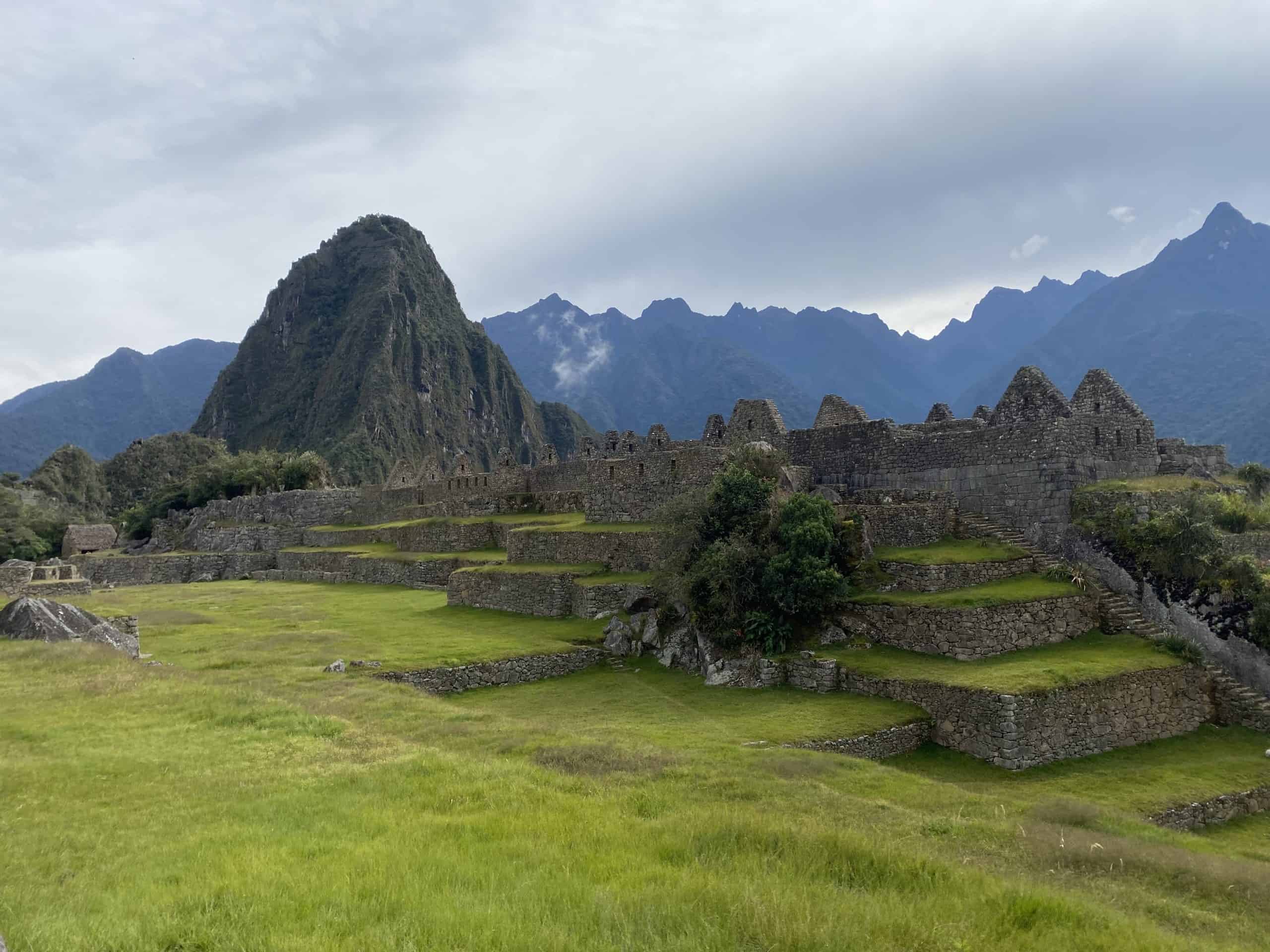
When I visited Machu Picchu, I realized timing really does matter. The weather, crowds, and even how much of the trail you can see all change depending on the month. Knowing when the best time to visit Machu Picchu can change your entire experience. Some people visit during the dry season for clear views, while others prefer the greener, quieter months right before or after.
In this guide, I’ll break down the best time to visit Machu Picchu month by month, including what to expect in each season, how the weather affects your trip, and tips for avoiding the biggest crowds. You’ll also find when the Inca Trail is open, which months have the least rain, and when prices tend to be lower.
Whether you’re planning a once-in-a-lifetime trip or adding Machu Picchu to your South America itinerary, this guide will help you choose the best time to go based on weather, visibility, and your travel style. Let’s figure out the best months to visit Machu Picchu — and how to make the most of your visit once you’re there.
Overall Best Time to Visit Machu Picchu
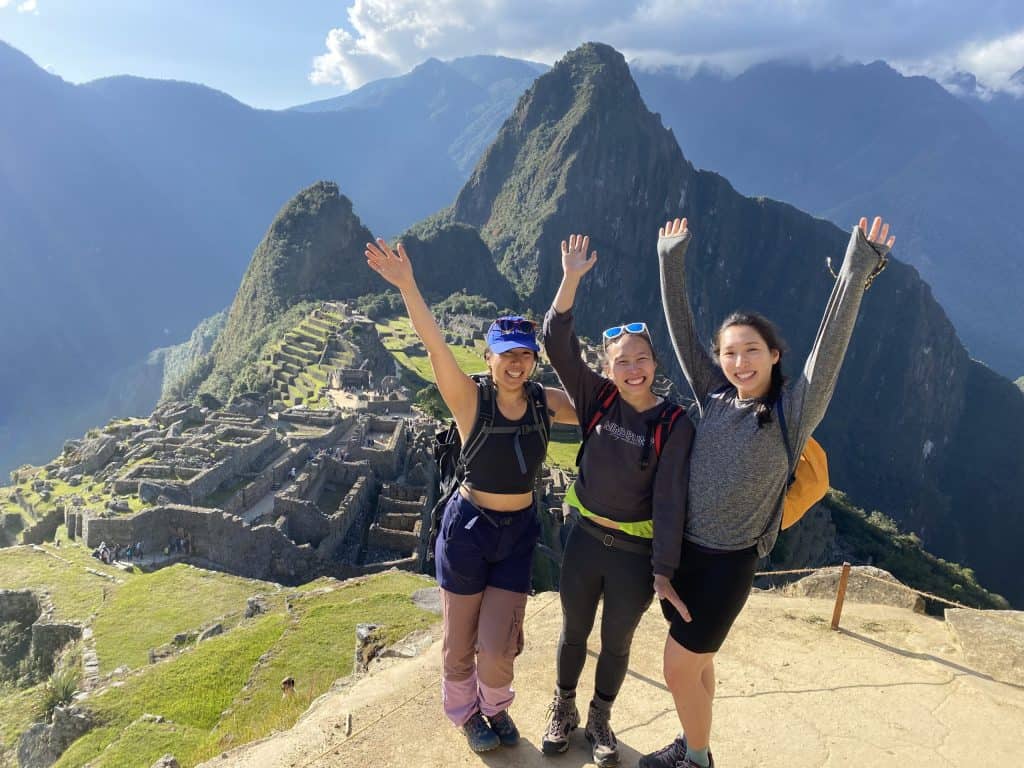
If you’ve been dreaming about standing among the ancient ruins of Machu Picchu with mist curling over emerald peaks, timing your trip just right makes all the difference. After all, this is one of the world’s most breathtaking UNESCO sites, and your experience depends heavily on weather, crowds, and logistics. The best time to visit overall is May, closely followed by October — the so-called “shoulder months” that strike a balance between clear skies, manageable crowds, and lush scenery.
Weather and Scenery
May marks the beginning of the dry season in Peru, which typically runs from May through September. Days are bright and sunny with temperatures hovering around 70–75°F (low 20s°C), while mornings and evenings can be crisp and cool. You’ll want to dress in layers: a lightweight base layer, a warm mid-layer, and a wind- or rain-resistant shell. Because the heavy rains have just ended, the surrounding valleys are still a vivid green, waterfalls are full, and visibility is excellent. October offers similar advantages — warm days, fewer showers, and those signature panoramic views that make every photo look magical.
Crowds, Tickets, and Dining
May and October both sit just outside of peak tourist season, so while you’ll see plenty of visitors, it won’t feel overwhelmingly crowded. During the true high months of June through August, Machu Picchu can see thousands of tourists each day, which means longer entry lines and fully booked trains from Cusco. In May, tickets are easier to secure, hotels often have better rates, and restaurants in Aguas Calientes are pleasantly busy rather than packed. You can enjoy a meal with a view of the Urubamba River without waiting an hour for a table.
Why It’s Better Than Other Times of Year
Traveling during the rainy season (roughly November through March) can be tempting because prices drop, but the frequent downpours and cloud cover can easily obscure the ruins. Trails can become muddy and slick, and the Inca Trail often closes for maintenance in February. Meanwhile, peak season — June through August — offers stable weather but at the cost of heavy crowds, higher prices, and limited ticket availability. Visiting in May or October gives you the best of both worlds: great weather, greener landscapes, and more breathing room to explore.
What to Pack and Expect
Pack light but smart. Comfortable hiking shoes with good traction are essential. Bring a hat, sunglasses, sunscreen, and bug repellent for the cloud-forest sections where mosquitoes appear. Even in the dry months, light rain is possible, so toss a compact rain jacket or poncho into your daypack. Don’t forget a refillable water bottle and some altitude-friendly snacks.
Visiting Machu Picchu During Peak Season: Pros and Cons
For many travelers, Machu Picchu is a once-in-a-lifetime destination, and naturally, most people want to go when the weather is perfect. That’s exactly why the peak season — from June through August — draws the largest number of visitors. This period coincides with Peru’s dry season and the Northern Hemisphere’s summer vacation months, making it the busiest time of year at the iconic Incan citadel. While the conditions can be spectacular, the crowds can be intense. Here’s a balanced look at what to expect if you visit Machu Picchu during peak season.
The Pros
Best Weather for Sightseeing
The main reason travelers flock to Machu Picchu in peak season is the weather. The skies are usually crystal clear, the risk of rain is low, and the views of the Andes are postcard-perfect. Daytime temperatures are mild — usually in the low to mid-70s °F (21–24 °C) — with cooler mornings and evenings. These stable conditions make for comfortable hiking, especially if you’re trekking the Inca Trail or exploring other nearby ruins.
Lively Atmosphere
If you enjoy energy and excitement, peak season is when Machu Picchu feels most alive. The streets of Cusco and Aguas Calientes buzz with travelers from around the world. Restaurants, cafés, and souvenir shops are in full swing, offering extended hours and plenty of dining choices. You’ll find an abundance of group tours, local events, and easy access to transportation options — trains, buses, and guides all operate at full capacity.
Reliable Services and Operations
Because tourism peaks during this time, nearly every service — from hotels to trekking companies — is open and well-staffed. You’ll have a wide range of accommodations and guided tour options. Trails are dry and safe, and there’s less chance of weather-related cancellations.
The Cons
Heavy Crowds and Ticket Shortages
The biggest downside to peak season is the sheer number of visitors. Machu Picchu enforces strict daily entry limits, so tickets can sell out weeks in advance, especially for sunrise or afternoon time slots. Trains from Cusco and Ollantaytambo fill quickly, and hotel prices surge. Expect long lines at the entrance gate and busy photo spots inside the ruins.
Higher Prices
Flights, accommodations, and tours all cost more during the dry-season rush. Even local dining prices can creep up in touristy areas. If you’re traveling on a budget, it’s smart to book several months ahead or consider staying in smaller guesthouses in Aguas Calientes.
Dining Crowds and Wait Times
Although you’ll find plenty of restaurant options, they’re often packed during dinner hours. Reservations are recommended for popular spots. For a calmer experience, aim for early lunches or late dinners, or explore local eateries off the main streets.
What to Pack
Even in dry season, weather can shift quickly. Bring layers — a light jacket for cool mornings, breathable shirts for daytime, and a rain shell for surprise showers. Sturdy hiking shoes, sunscreen, a hat, and insect repellent are musts. The sun at altitude is strong, and mosquitoes can appear near forested trails or rivers.
Visiting Machu Picchu During Shoulder Season: Pros and Cons
If you want the perfect balance between good weather, smaller crowds, and stunning scenery, the shoulder season is your golden window for visiting Machu Picchu. The shoulder months — April, May, September, and October — sit between Peru’s rainy and dry seasons, offering travelers the best of both worlds. It’s no wonder many experienced visitors and local guides consider this the ideal time to experience the Incan wonder.
The Pros
The Best Weather Mix
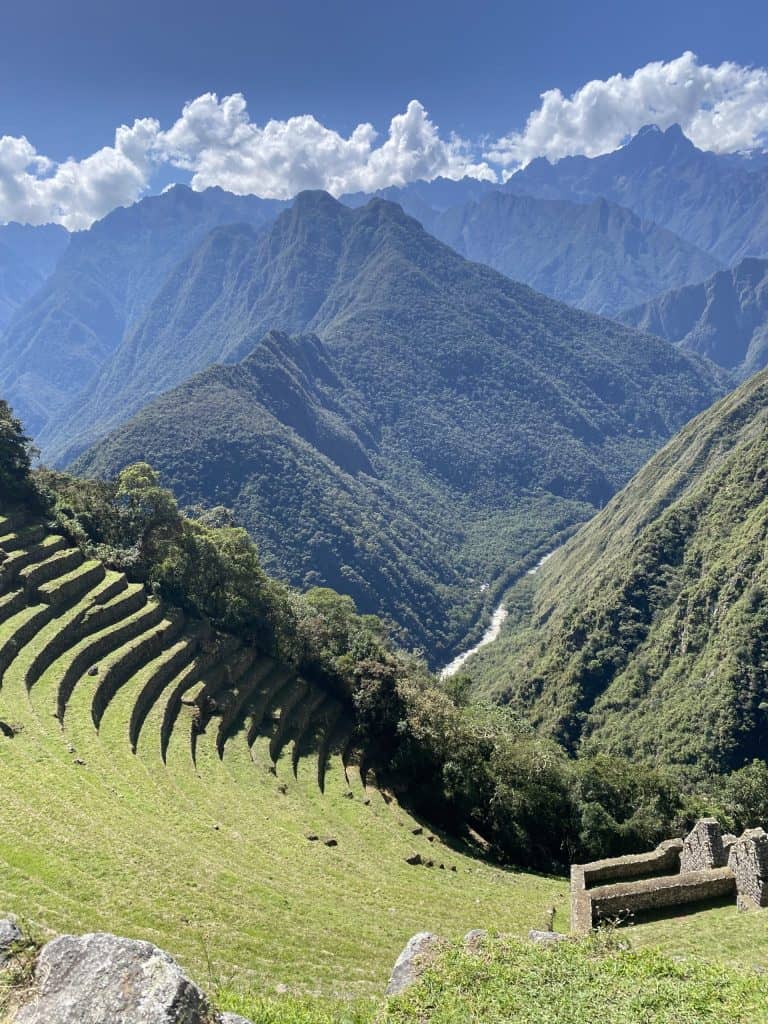
During the shoulder season, the climate is at its most pleasant. April and May mark the tail end of the rainy season, leaving the mountains lush, green, and alive with waterfalls. By contrast, September and October bring the last of the dry, sunny days before heavier rains return. Daytime temperatures hover around the low 70s °F (21–24 °C), while mornings and evenings are comfortably cool. You’ll still need a light jacket or fleece, but the weather rarely limits your plans. Skies are often clear enough for sunrise photos but dramatic enough to create those beautiful cloud-forest mists Machu Picchu is known for.
Manageable Crowds
Crowds are thinner than in the June–August rush, yet you won’t feel like you’re exploring a ghost town. The site has a lively energy without the long lines or packed trains of peak season. You can often buy tickets just weeks in advance, and it’s easier to find prime time slots — like early morning or late afternoon entries — without paying inflated rates. In Aguas Calientes, restaurants are relaxed, service is quicker, and hotel prices tend to drop slightly compared to high-season rates.
Lush Scenery Without the Mud
Because the heavy rains have just passed (in spring) or are still a month or two away (in fall), the surrounding Sacred Valley is incredibly green but not waterlogged. Trails are firm, and you’ll enjoy rich vegetation and bright wildflowers. It’s one of the most photogenic times of year, especially for hikers tackling routes like Salkantay or Lares.
Full Access to Trails and Tours
Unlike February, when the Inca Trail closes, all hiking routes are open and well maintained. The moderate temperatures make trekking far more comfortable, especially for those not acclimated to altitude.
The Cons
Slightly Unpredictable Weather
While rainfall is much lower than in the off-season, you may still get a few afternoon showers, particularly in April and October. It’s wise to pack a compact rain jacket or poncho just in case. Mornings can also start foggy before clearing into sunshine.
Still Some Competition for Tickets
Though less crowded than peak season, Machu Picchu is never empty. May in particular has become increasingly popular, so booking tickets and trains a month or two in advance is still recommended
What to Pack
Layers are your best friend: lightweight shirts, a fleece or hoodie, and a waterproof outer shell. Add hiking shoes with good traction, sun protection (hat, sunglasses, sunscreen), and insect repellent for lower-elevation hikes. Don’t forget a refillable water bottle and quick snacks for long days of exploring.
Visiting Machu Picchu During Off-Season: Pros and Cons
Not everyone wants to brave the crowds at Machu Picchu during its busy dry-season months. For travelers who value tranquility, flexibility, and lower costs, the off-season — roughly November through March — can be an appealing alternative. This period coincides with Peru’s rainy season, when showers become more frequent and tourism slows dramatically. While it’s not the perfect fit for everyone, the off-season has its own unique rewards. Here’s what to expect — the pros, the cons, and how to make the most of it.
The Pros
Fewer Crowds, More Peace
One of the biggest benefits of visiting during the off-season is the lack of crowds. With far fewer tourists, you’ll have a much calmer experience exploring Machu Picchu’s terraces and temples. Photo spots that are packed in July may be nearly empty in January. You can take your time soaking in the energy of the ruins without feeling rushed. Trains, buses, and entry tickets are easier to book, often with more flexibility in time slots.
Lower Prices and Great Deals
Off-season travel can save you a lot of money. Flights, hotels, and guided tours typically cost less, and you’ll find discounts on everything from accommodations in Aguas Calientes to multi-day trekking packages. Restaurants also tend to be less crowded, giving you a better chance to enjoy a meal without waiting or making reservations weeks in advance.
Lush, Green Scenery
The frequent rain brings life to the surrounding landscape. The Sacred Valley and the Andean foothills turn vibrant green, waterfalls flow stronger, and the misty clouds that drift through the mountains create a mystical, almost cinematic atmosphere. For photographers, the rainy season can offer some of the most striking images of Machu Picchu.
The Cons
Rain, Fog, and Limited Visibility
Of course, the biggest drawback to visiting during the rainy season is — well, the rain. Showers are common, especially in the afternoons, and cloud cover can obscure the views of the ruins or the surrounding peaks. Trails may be slippery or temporarily closed, and hiking the Inca Trail can be unpredictable. In fact, the Inca Trail is closed every February for maintenance.
Weather-Related Disruptions
While most days still have clear periods, heavy rain can sometimes delay transportation. Landslides occasionally affect rail lines or roads, so it’s smart to plan an extra day in your itinerary just in case. Bringing quick-dry clothes and waterproof gear can make a big difference in staying comfortable.
Limited Tourism Services
Because there are fewer visitors, some smaller hotels or restaurants may close for part of the season. However, in main hubs like Cusco and Aguas Calientes, you’ll still find plenty of open options.
What to Pack
Pack waterproof essentials — a sturdy rain jacket or poncho, quick-dry pants, and shoes with solid traction. A lightweight backpack cover, umbrella, and extra socks are lifesavers. Don’t forget insect repellent; the wetter conditions bring more mosquitoes, especially around river areas.
Visiting Machu Picchu during the off-season isn’t for everyone, but it can be deeply rewarding. You’ll experience the site with fewer people, lower costs, and an incredibly lush backdrop. If you don’t mind a little rain and plan with flexibility, the off-season offers a more intimate, peaceful connection with this world wonder — one that many travelers miss in the rush of the dry season.
Worst Time to Visit Machu Picchu
There’s truly no bad time to stand among the ancient terraces of Machu Picchu — but some months make the journey much harder than others. Peru’s weather patterns and tourism cycles mean that certain periods come with heavier rain, travel delays, and limited visibility. If you’re planning your dream trip, it’s worth knowing when conditions are at their toughest. Here’s a breakdown of when and why the worst time to visit Machu Picchu might not deliver the experience you’ve imagined.
When Is the Worst Time to Go?
Generally, the least favorable months to visit are late January through early March. This period marks the peak of the rainy season in Peru, when daily showers — sometimes torrential — sweep through the Andes and the Sacred Valley. The rainiest month of all is February, which is why the Inca Trail closes entirely for maintenance and safety reasons. While Machu Picchu itself remains open year-round, the surrounding conditions can make the journey there more challenging and less enjoyable.
The Downsides
Heavy Rain and Muddy Trails
Frequent downpours can make hiking paths slick and difficult to navigate. Landslides are rare but possible, and rail lines between Cusco, Ollantaytambo, and Aguas Calientes may face occasional disruptions. Even if you’re not trekking, prepare for long, wet days and cloudy skies that can obscure the ruins and surrounding peaks. The misty atmosphere can be beautiful for photos — but it often hides the views visitors travel thousands of miles to see.
Limited Visibility and Fog
Machu Picchu sits within a high-altitude cloud forest, meaning fog and low-hanging clouds are common in the wettest months. On some mornings, you might arrive to find the citadel completely enveloped in mist, with only brief windows of clarity. For travelers hoping for those iconic panoramic shots, this can be disappointing.
Travel Delays and Closures
Transportation during the rainy season can be unpredictable. Roads may wash out temporarily, and flights into Cusco occasionally face weather-related delays. Trekkers will also find the Inca Trail closed in February, with alternative routes like Salkantay or Lares sometimes affected by muddy terrain.
Fewer Dining and Hotel Options
Because this is the lowest tourism period, some smaller restaurants, hotels, and tour operators take advantage of the downtime to close for repairs or holidays. You’ll still find places open in Cusco and Aguas Calientes, but expect a quieter scene with fewer evening dining choices.
The Few Silver Linings
If you don’t mind the rain, traveling in February or early March has some advantages. Prices are at their lowest, crowds are minimal, and the landscape is incredibly green and vibrant. Just know that it takes flexibility — and good rain gear — to fully enjoy it.
What to Pack
If you do choose to go during this period, waterproof everything: jacket, backpack cover, shoes, and pants. Quick-dry layers, a poncho, and extra socks are must-haves. A small umbrella can help, and insect repellent is useful since mosquitoes thrive in humid conditions.
The worst time to visit Machu Picchu — late January through early March — doesn’t mean it’s impossible, just more unpredictable. For most travelers, it’s worth waiting until May or October for a safer, clearer, and more comfortable experience. If you dream of seeing Machu Picchu in all its sunlit glory, timing truly matters — and a little patience will reward you with the trip of a lifetime.
Cheapest Time to Visit Machu Picchu
There’s no denying that visiting Machu Picchu is a dream for travelers from all over the world — but it can also be an expensive one. Between flights, hotels, train rides, and entry fees, costs can climb quickly. Fortunately, if you’re flexible with timing, you can experience this breathtaking Wonder of the World without spending a fortune. The key is knowing when to go.
The cheapest time to visit Machu Picchu is during Peru’s rainy season, which runs roughly from December through March. This period is considered the off-season for tourism, meaning fewer visitors and significantly lower prices on everything from accommodations to guided tours. While the weather can be unpredictable, for travelers who don’t mind a little rain, it’s one of the most rewarding times to explore.
During these months, airfare to Cusco — the main gateway city — often drops, and hotels throughout the Sacred Valley will lower their prices to attract more guests. In Aguas Calientes, the small town at the base of Machu Picchu, you’ll find more flexibility with bookings and you may even get a luxury stay at a mid-range price. Trains to and from the ruins are also easier to reserve, and last-minute ticket availability to Machu Picchu itself is much more common.
Of course, the trade-off is the weather. Showers are frequent, especially in January and February, and the skies can shift from clear blue to thick fog within minutes. The cloud cover often adds an ethereal quality to the landscape, but it can also hide the sweeping mountain views that make the site so famous. Trails may be muddy, and hiking conditions vary from day to day. The Inca Trail closes for maintenance every February, though Machu Picchu itself remains open year-round.
If you decide to go during this season, pack with the weather in mind. Bring a durable rain jacket or poncho, waterproof hiking shoes, and quick-dry layers. A lightweight umbrella can come in handy, as can insect repellent — humidity tends to attract mosquitoes. Don’t forget sunscreen and a hat; even on cloudy days, the UV rays at high altitude are intense.
Ultimately, visiting Machu Picchu during the cheapest months is a trade between comfort and cost — but for many travelers, it’s worth it. You’ll spend less, face fewer crowds, and experience a quieter, more intimate version of one of the world’s greatest landmarks. If you’ve ever dreamed of seeing Machu Picchu and thought it might be out of reach, traveling during the rainy season just might make it happen. Read more about traveling there during rainy season here.
Best time to Visit Machu Picchu: FAQs
What are the best months to visit Machu Picchu?
April, May, September and October are the best months with the mix of great weather and less crowds.
How many days are recommended for Machu Picchu?
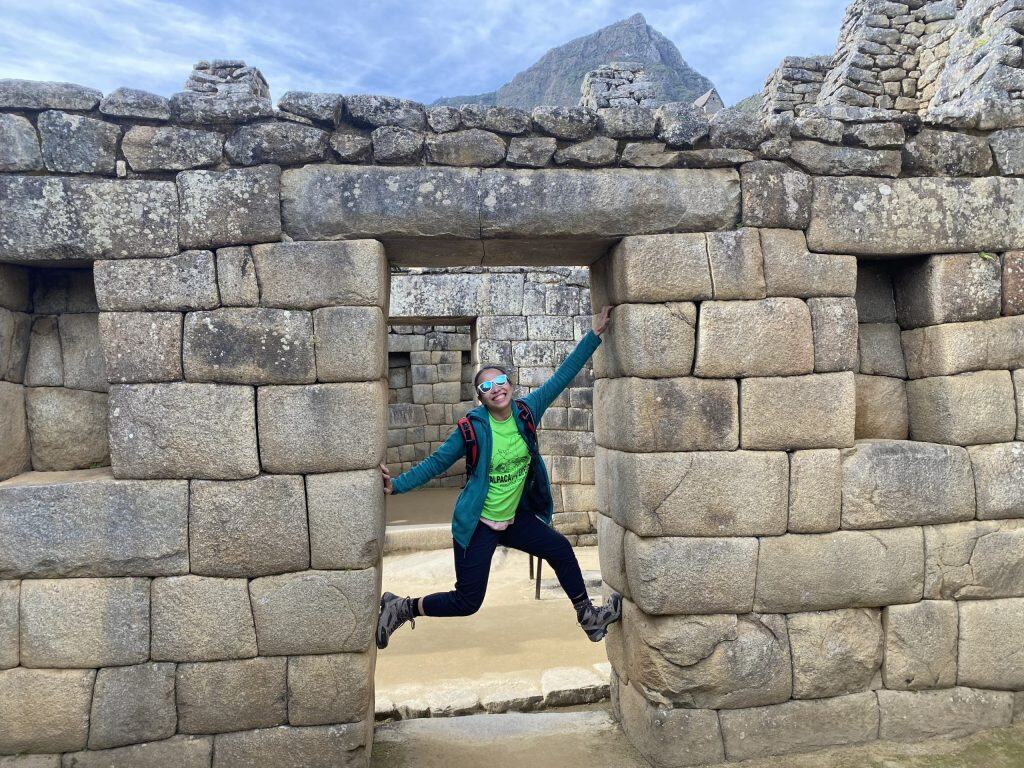
Depends on what kind of experience you want! If you want to do the full Inca trail, companies like Alpaca Expeditions offer 4 days / 3 night full hiking and camping of Inca Trail. Personally I did the 2 day/1 night Inca Trail trek and it was a great time.
Cheapest time to visit Machu Picchu?
December-March since it is the rainiest time and less tourists will take a chance to travel there.
What month of the year is best to go to Peru?
I would say May is one of the best times to go.
Final Thoughts
There are so many months you can go to Machu Picchu and have a great time. I think avoiding December-March is the best bet and the rest of the year can be quite wonderful. Want to get a full Inca Trail packing list? I’ve got everything you need to know for hiking the Inca Trail here!