
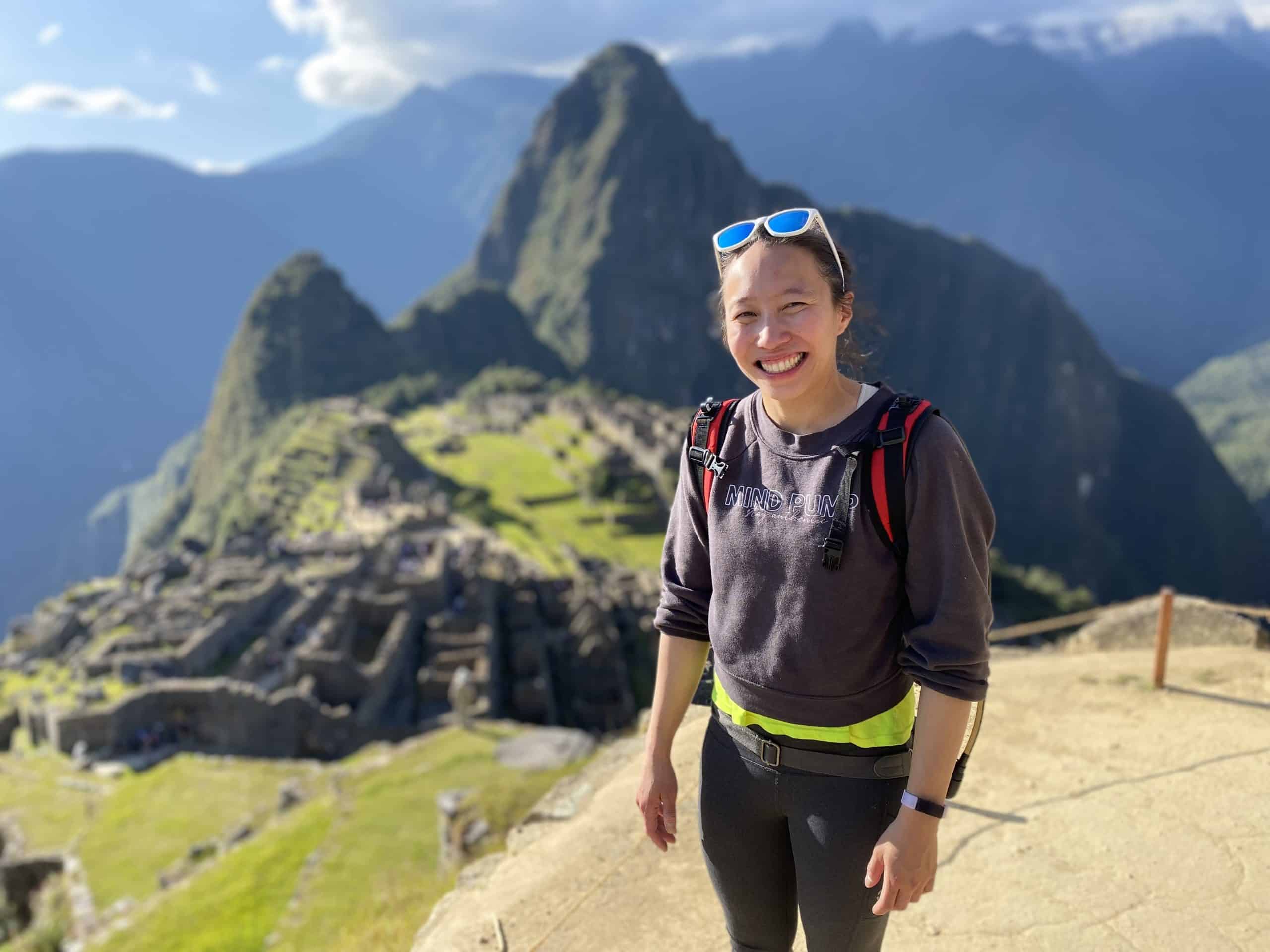

If you’re planning a trip to Machu Picchu, this is the part that confuses almost everyone….
How do you actually get there from Cusco?
Because there’s no direct road to Machu Picchu. There are no Ubers. You can’t rent a car and drive up. And Google Maps will show you a route you can’t really do on your own.
When I first started planning this, I went down a full research spiral trying to understand trains, buses, hikes, and something called “Aguas Calientes” (which is not a hot spring.
This guide will walk you through exactly how to get from Cusco to Machu Picchu, the different options depending on your budget and travel style!
Before we get into routes, this is the most important thing to understand: you don’t go directly from Cusco to Machu Picchu.
You go in two main steps:
- Cusco → Aguas Calientes (Machu Picchu Pueblo)
- Aguas Calientes → Machu Picchu (bus or hike)
Aguas Calientes is the small town at the base of Machu Picchu. Every single visitor passes through here (unless you’re doing a multi-day trek).
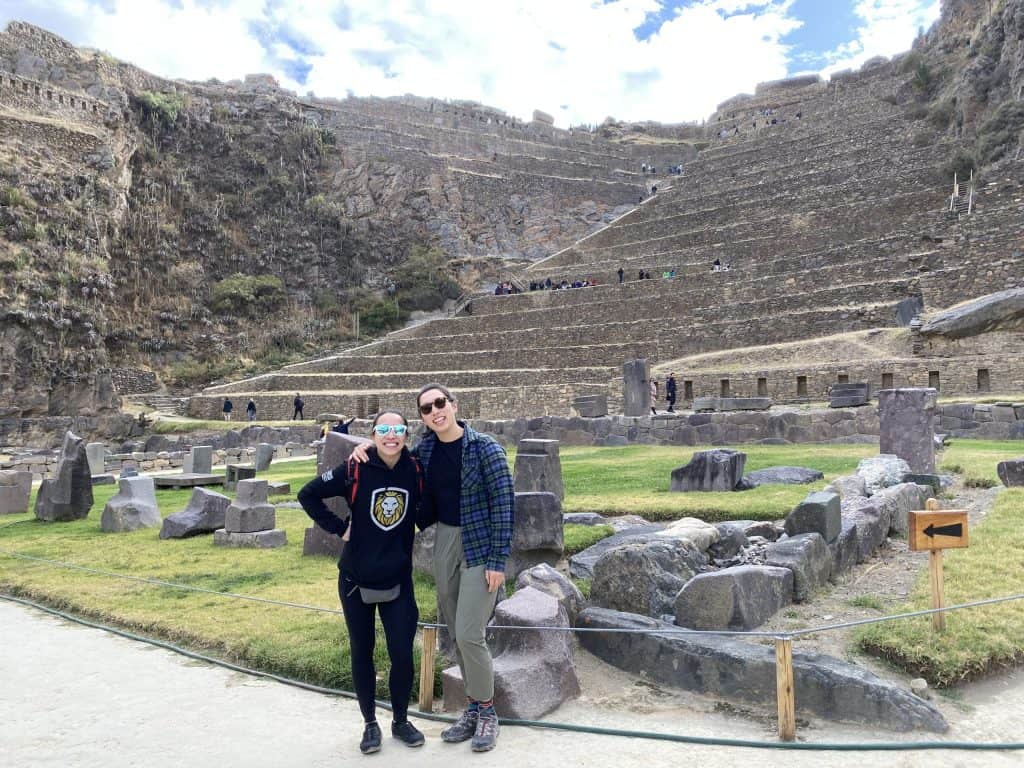
The 3 Main Ways to Get to Machu Picchu from Cusco
There are really only a few ways to do this, and your choice depends on time, budget, and how adventurous you want to be.
1. Train: Easiest and Most Popular
This is what most people do— and good for your first time or if you are not the active type. You take a train from either Cusco, Poroy, or Ollantaytambo to Aguas Calientes.
How it works:
- Get yourself to Ollantaytambo (about 1.5–2 hours from Cusco)
- Board a train to Aguas Calientes (1.5–2 hours)
- Stay overnight or go same-day
- Take a bus up to Machu Picchu
Why people choose this:
- Super straightforward
- Comfortable and scenic
- No stress figuring out logistics
The train ride is really beautiful. You follow the river through this narrow canyon, and the scenery slowly shifts from dry mountain landscapes to lush jungle.
Things to know:
- Trains can be expensive ($60–$150+ one way)
- Book early, especially in high season
- Ollantaytambo is often the easiest departure point
2. Bus + Walk: Cheapest
If you’re trying to save money, this is the budget route. It will take longer and is way more adventurous!
How it works:
- Take a bus/van from Cusco to Hidroelectrica (6–7 hours)
- Walk along the train tracks to Aguas Calientes (2–3 hours)
- Stay overnight
- Take the bus or hike up to Machu Picchu
Why people choose this:
- Way cheaper than the train
- More flexible
- Feels a bit more adventurous
The drive is long and very winding. Like you may get carsick. The walk is flat and easy, but it’s not exactly scenic the whole way—it’s mostly along train tracks. But it’s cool knowing you made your way there without taking the train.
Who this is best for:
- Budget travelers
- Backpackers
- People with more time than money
3. Trek: How Adventurous Are You?
If you want the full experience, this is where things get next-level. There are a few trekking options:
- Inca Trail (most famous)
- Salkantay Trek
- Lares Trek
How it works:
- You hike for 2–5 days
- You arrive at Machu Picchu on foot
- No train needed (unless returning)
Why people choose this:
- It’s a bucket-list experience
- You see incredible landscapes along the way
- You earn that Machu Picchu moment
This is not a casual walk. The altitude is real. And you’ll probably question your life choices at some point (especially uphill). But almost everyone says it’s one of the best things they’ve ever done.
Inca Trail with Alpaca Expeditions
If you’re thinking about doing the Inca Trail, one company you’ll see come up a lot is Alpaca Expeditions.
I LOVED THEM!
Most people do the classic 4-day, 3-night Inca Trail, which is the full experience. You start near the Sacred Valley, hike for a few days through mountains and ruins, and then arrive at Machu Picchu through the Sun Gate on the final day. It is magical!
It’s not just hiking the whole time either—you’re stopping at different Inca sites along the way, which breaks it up and makes it feel more interesting.
What makes Alpaca a little different is that it’s fully organized for you.
They handle:
- your Inca Trail permits (which are required and sell out early)
- transportation from Cusco to the trailhead
- guides, porters, and meals
- all your camping setup
So you’re not carrying all your stuff. Porters carry most of the gear, and when you get to camp, your tent is already set up. It’s so luxurious!
They also include things like cooked meals, snacks, and even things like a portable toilet setup, which honestly makes a big difference after a long day of hiking.
The altitude is no joke so it helps to have the team at Alpaca handle it all for you!
If you’re someone who wants the full experience of hiking to Machu Picchu, this is probably the most memorable way to do it!
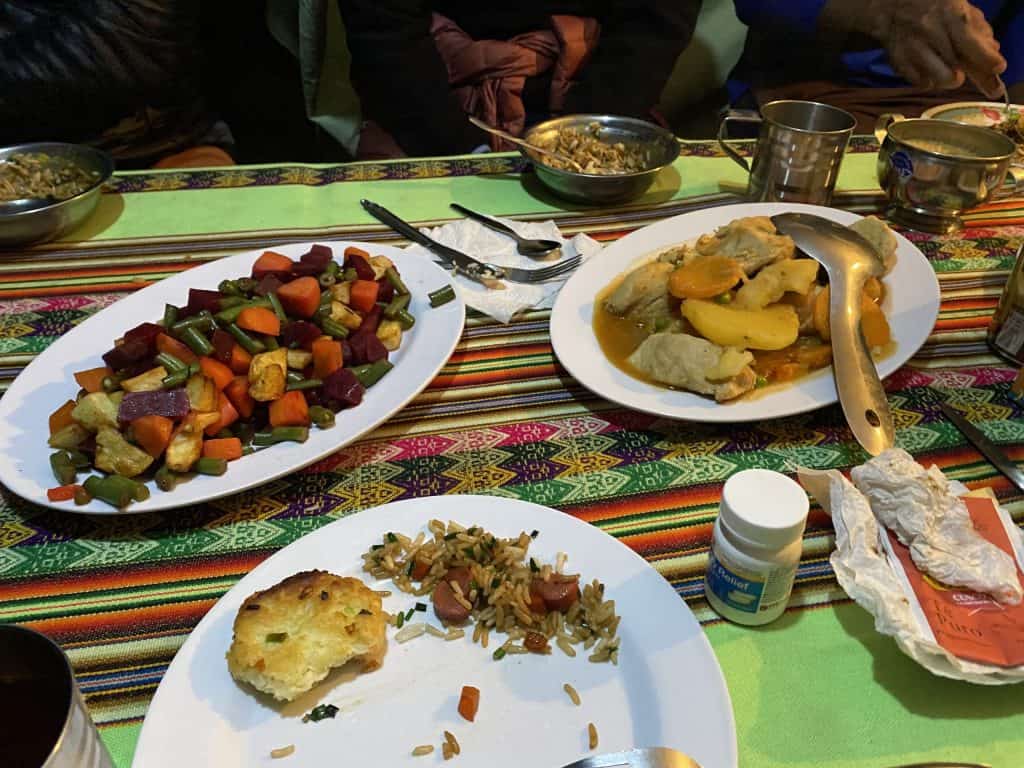
Step-by-Step: The Easiest Route
If you just want the simplest plan, here’s exactly what I’d do:
Get from Cusco to Ollantaytambo
You have a few options:
- Taxi ($30–$50 total)
- Shared van ($5–$10)
- Private transfer
It takes about 1.5–2 hours. I’d recommend going early and giving yourself buffer time. The last thing you want is to stress about missing your train.
Take the Train to Aguas Calientes
Book your train in advance. There are two main companies:
- PeruRail
- Inca Rail
Both are similar, just different pricing tiers.
Travel time: 1.5–2 hours
Once you arrive, you’ll immediately feel the difference—it’s warmer, more humid, and way more jungle-like than Cusco.
- PeruRail = more schedule options
- Inca Rail = slightly newer feel (sometimes cheaper)
Both companies offer similar tiers:
Budget
- Expedition (PeruRail)
- Voyager (Inca Rail)
Mid-range (Most Popular)
- Vistadome
- 360° Train
Luxury
- Hiram Bingham / First Class
Stay Overnight
You can do Machu Picchu in one day from Cusco…but I wouldn’t. Staying overnight in Aguas Calientes makes everything easier and way less rushed. You can wake up early for sunrise entry, avoid stress about timing and actually enjoy the experience!
Get from Aguas Calientes to Machu Picchu
You have two options:
Bus:
- 25 minutes
- $12 each way
- Very easy
Hike:
- 1.5–2 hours uphill
- Free
- Pretty intense
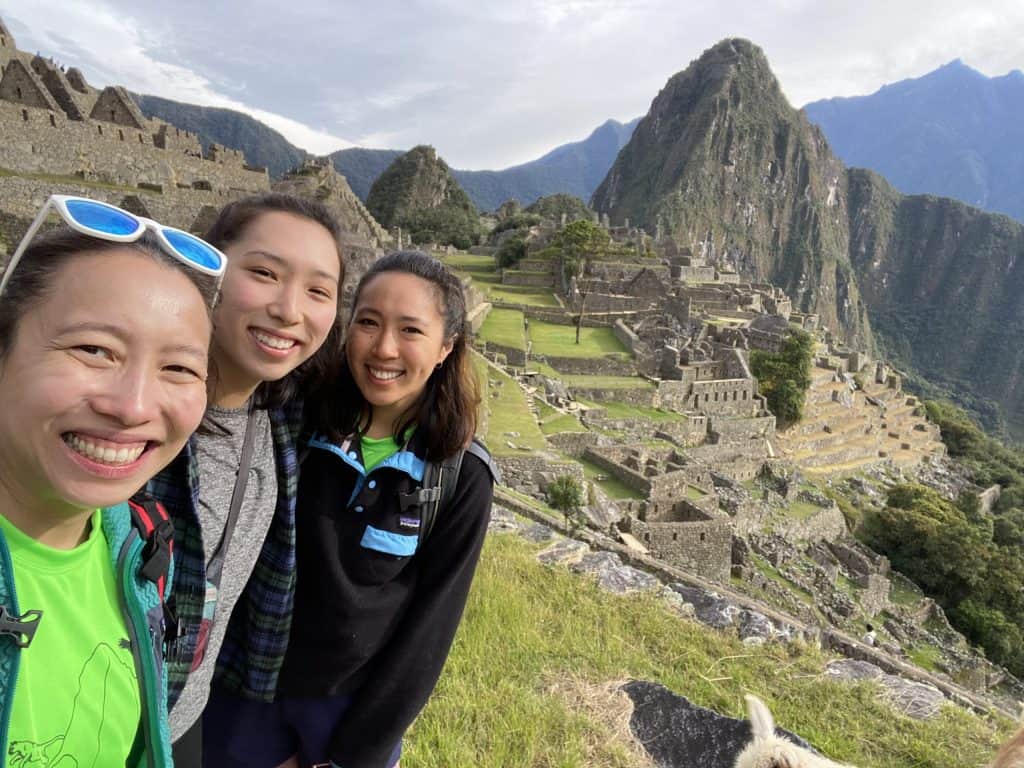
Common Mistakes to Avoid
Waiting Too Long to Book
Train tickets and Machu Picchu entry tickets can sell out—especially in peak season (May–September).
Underestimating Travel Time
Even though Cusco and Machu Picchu look close on a map, getting there takes time.
Plan for:
- Transit to Ollantaytambo
- Train timing
- Buffer time
Not Adjusting to Altitude First
Cusco is at 11,000+ feet. If you go straight to Machu Picchu without acclimating, you will feel terrible. In fact, going to Cusco I felt terrible for 1-2 days. I had my head in the toilet for a few days. Give yourself 1–2 days in Cusco first.
Trying to Do It All in One Day
It’s technically possible. But it’s rushed, stressful, and honestly not worth it.
How Much Does It Cost?
Here’s a rough breakdown:
Train route:
- Transport to Ollantaytambo: $5–$50
- Train: $120–$300 round trip
- Bus to Machu Picchu: $24 round trip
- Entry ticket: ~$45–$70
Total: $200–$400+
Budget route (Hidroelectrica):
- Transport: $15–$25
- Walk: free
- Bus optional: $24
- Entry ticket: $45–$70
Total: $60–$120
Altitude Sickness: What to Expect
This is something I didn’t fully understand before going—and I wish I had.
Cusco sits at over 11,000 feet, which is high enough that altitude sickness is very real, even if you’re healthy and in good shape.
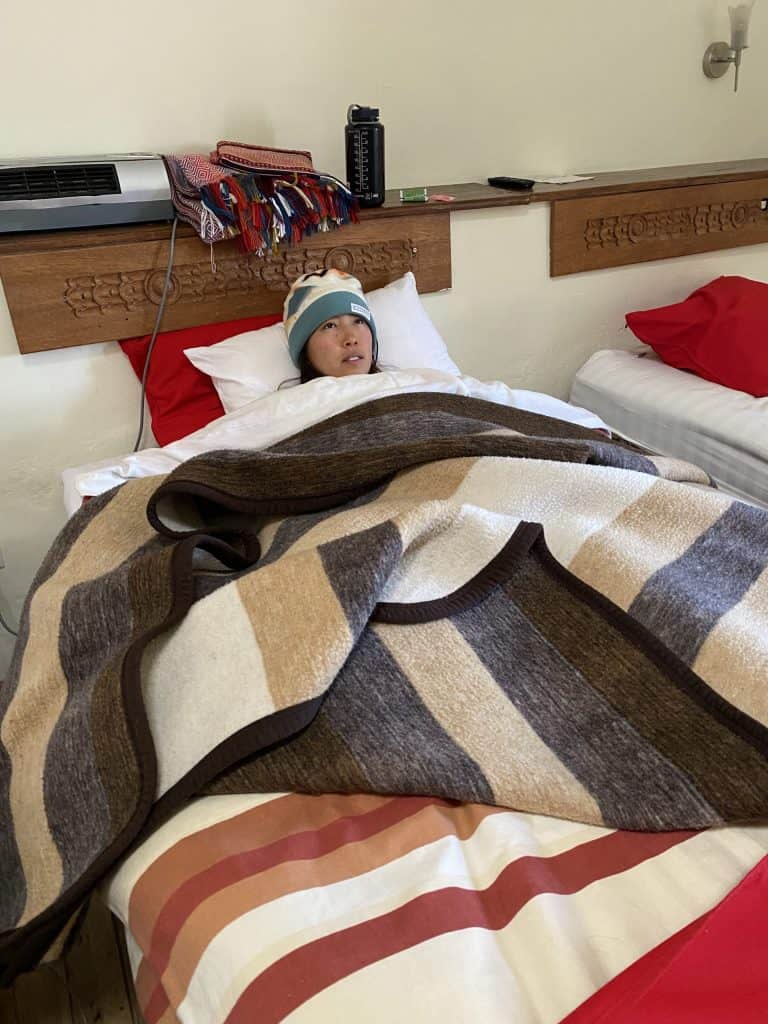
And it doesn’t matter how fit you are. It can hit anyone. It did for me and it really ruined my whole trip.
What It Feels Like
You can have a mix of a headache, nausea, vomiting, shortness of breath, dizziness, trouble sleeping or mix of all. You can get it right or away or take a few hours before feeling sick. Mine took about 5 hours to hit me and I had to leave in the middle of dinner to go back to the hotel room. I felt too sick to even be upright at the restaurant. I had to lay down immediately with my head over the toilet.
How to Prevent Altitude Sickness
Take Diamox BEFORE arriving. You need a prescription from your doctor in the U.S. but they sell them at drug stores in Cusco. However, if you take it after you arrive and start feeling the effects, it won’t work as well, if at all.
Give yourself 1–2 days in Cusco (or the Sacred Valley at a lower altitude) before doing anything.
Other things that help:
- Drink a lot of water (more than you think)
- Avoid alcohol your first day or two
- Eat light meals
- Take it easy—no intense hiking
- You’ll also see locals offering coca tea, which is commonly used to help with altitude. I tried it—didn’t help me at all.
What to Do If You Start Feeling Sick
Mild altitude sickness is really common so it is likely you will feel it.
Rest, lay down, drink water. Nothing you can really do but rest. I felt nauseous and tried to vomit for 24-48 hours. Nothing made it better. I think the only thing you could do is travel to a lower altitude, but I felt too sick to really even move from the bathroom.
If I were planning again, I would have stayed in Sacred Valley first because its a lower elevation than Cusco.
Best Time to Visit Machu Picchu
Before you even figure out how to get to Machu Picchu from Cusco, it’s worth thinking about when you are going since the weather and crowds will affect your experience!
Dry Season (May–September) – Best Overall Time
This is generally considered the best time to visit Machu Picchu.
- Clear skies = better views
- Lower chance of rain
- Ideal for hiking (especially if you’re doing the Inca Trail)
But it’s also peak season.
That means:
- More crowds
- Higher train prices
- Tickets selling out faster
If you’re going during this time, BOOK EARLY! Like a year out.
Rainy Season (November–March)
This is the off-season.
- Fewer tourists
- Cheaper prices
- Easier to book last-minute
But the trade-off is the weather.
You could get:
- Heavy rain
- Cloud cover blocking the views
- Muddy trails
That said, Machu Picchu in the mist can actually look pretty magical. It just depends on your expectations.
The Inca Trail is closed in February for maintenance.
Shoulder Season (April & October)
If you want a mix of good weather and fewer crowds, this is the sweet spot.
- Still relatively dry
- Less crowded than peak season
- Easier to get tickets
This is personally what I’d aim for if I were planning again.
If your schedule is flexible: Go in April or October.
If you want the safest weather: Go May–September and book early!
If you’re on a budget and okay with some risk: Go November–March.
No matter when you go:
- Mornings are usually clearer than afternoons
- Weather can change quickly
- Even in dry season, bring a rain layer
Machu Picchu sits in a cloud forest—so unpredictability is part of the experience.
FAQS
What is the cheapest way to get from Cusco to Machu Picchu?
You can book a “Cusco to Hidroelectrica” bus shuttle. The bus ride from Cusco to Hidroelectrica takes approximately 7 hours, passing through valleys, mountains, and the impressive Abra Málaga.
How to get to Machu Picchu from Aqua Calientes?
There are buses that go direct – easy and cheap!
How much are Machu Picchu Entrance tickets?
About $40-$48 USD. However, you can get different types of tickets with various add-on locations.
Final Thoughts: Which Option Should You Choose?
If you’re planning your trip right now, don’t overcomplicate it.
Pick the route that fits your budget and travel style, book your tickets early, and give yourself enough time to enjoy it.
Because once you’re standing there, looking out over Machu Picchu…you won’t be thinking about how you got there.